Iran’s Retaliatory Strikes on Dubai and the UAE: A Detailed Account of the February 28–March1, 2026 Attacks and the Emirates’ Response
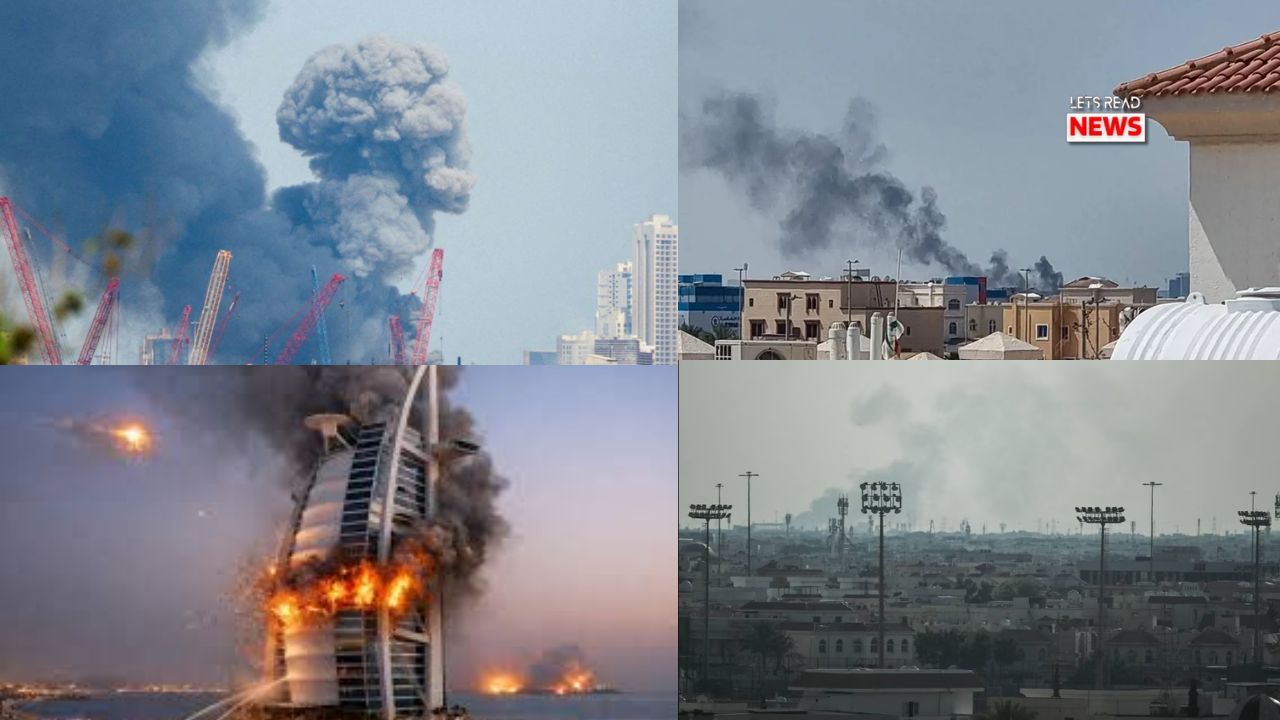
In the early hours of February 28, 2026, the Middle East erupted into a dangerous new phase of escalation when Iran launched waves of ballistic missiles and drones at multiple Gulf states, including the United Arab Emirates. The strikes on Dubai and Abu Dhabi were part of a broader retaliatory operation codenamed “True Promise 4” by Iran’s Islamic Revolutionary Guard Corps (IRGC), triggered by massive U.S.–Israeli airstrikes on Iranian territory earlier that same day. Those initial strikes reportedly killed Iran’s Supreme Leader Ayatollah Ali Khamenei and struck key nuclear and military sites inside Iran.
Iran framed the Gulf attacks as direct retaliation against U.S. military assets and the countries hosting them. The UAE, home to critical American bases and logistics hubs, became a primary target.
Why Iran Targeted Dubai and the UAE
Tehran explicitly stated that its operation aimed at U.S. military installations across the region. The UAE hosts Al Dhafra Air Base (a major U.S. facility used for operations across the Middle East) as well as the massive Jebel Ali port and Dubai International Airport—both vital logistics nodes for U.S. and allied forces.
Iranian officials argued that any territory hosting U.S. assets was fair game in their response to what they called “the savage U.S.–Israeli aggression.” In practice, Iranian missiles and drones were aimed at these strategic sites, but several projectiles or their debris struck civilian areas.
Key impacts in Dubai and Abu Dhabi included:
- Fires and smoke plumes rising over Palm Jumeirah and near luxury hotels.
- Debris from an intercepted drone sparking a fire on the outer façade of the iconic Burj Al Arab.
- Damage and fires reported at Jebel Ali port, one of the world’s busiest container terminals.
- Minor structural damage to a concourse at Dubai International Airport (DXB) and Zayed International Airport (AUH) in Abu Dhabi.
Smoke rises over Dubai’s Palm Jumeirah and the Jebel Ali area following Iranian missile and drone strikes on February 28, 2026.
Debris from an intercepted Iranian drone caused a fire on the façade of the Burj Al Arab in Dubai.
Scale of the Iranian Barrage on the UAE
According to the UAE Ministry of Defence, Iran launched 137 ballistic missiles and 209 drones toward Emirati territory across multiple waves on February 28–29. UAE air-defence systems—widely regarded as among the most advanced in the region, including Patriot, THAAD, and indigenous systems—successfully “neutralised” the vast majority.
- Most projectiles were intercepted over the Arabian Gulf or above Emirati airspace.
- A small number of debris impacts caused limited but visible damage and fires.
- The attacks continued into a second day (March 1), with additional waves reported over Abu Dhabi and Dubai.
UAE authorities stressed that Iran deliberately targeted civilian infrastructure and population centres, describing the assault as a “blatant violation of national sovereignty and international law.”
What Steps the UAE Has Taken
The UAE responded with a combination of robust military defence, rapid civil-protection measures, and firm diplomatic condemnation.
1. Air Defence and Military Response
- The Ministry of Defence confirmed multiple successful interceptions, with no major material damage to military sites.
- Debris from intercepted missiles fell in residential and commercial areas of Abu Dhabi and Dubai, prompting swift civil-defence deployment.
Black smoke from intercepted Iranian projectiles rises over residential areas of Abu Dhabi on February 28, 2026.
2. Emergency and Civil-Protection Measures
- Airspace closures: Portions of UAE airspace were closed; all flights in and out of Dubai International and Al Maktoum airports were suspended or heavily diverted until at least 15:00 local time on March 1 (with some reports indicating longer disruptions).
- Airport operations: Passengers were evacuated from affected terminals at DXB after reports of smoke and minor damage. Emergency teams responded immediately.

Passengers evacuate Dubai International Airport terminals amid smoke and chaos following the Iranian drone and missile barrage.
- Public safety alerts: Residents were urged to stay indoors, avoid unverified social-media videos, and rely only on official channels. Schools shifted to distance learning in affected areas.
- Civil defence: Firefighting teams extinguished blazes at Jebel Ali port and near Palm Jumeirah hotels. Road closures and shelter-in-place advisories were issued in impacted zones.
3. Political and Diplomatic Response
- The UAE Ministry of Foreign Affairs and Ministry of Defence issued strong statements condemning the strikes as a “cowardly assault” and “dangerous escalation.”
- The government explicitly reserved the right to respond and stated it would take “all necessary measures” to protect its territory, citizens, and interests.
- High-level calls were held with Gulf partners, particularly Saudi Arabia, which expressed full solidarity and support for any defensive actions the UAE might take.
- The UAE emphasized that targeting civilians and civilian infrastructure violates international humanitarian law and offered condolences to the families of victims, including foreign nationals.
4. Casualties
- At least one person was killed in Abu Dhabi by falling debris (reported as a resident of Asian nationality).
- Several injuries were confirmed: at least four at a Dubai hotel (Fairmont on Palm Jumeirah area) and additional cases from airport concourse damage and debris in both Dubai and Abu Dhabi.
- No large-scale fatalities were reported, thanks largely to the effectiveness of air defences and rapid emergency response.
Summary Table of Key Events
| Aspect | Details |
|---|---|
| Iran’s Stated Motive | Retaliation for U.S.–Israeli strikes that killed Supreme Leader Khamenei and hit Iranian sites |
| Why UAE Targeted | Hosts major U.S. bases (Al Dhafra) and logistics hubs (Jebel Ali, DXB) |
| Scale of Attack | 137 ballistic missiles + 209 drones; most intercepted |
| Main Sites Affected | Palm Jumeirah, Burj Al Arab façade, Jebel Ali port, Dubai & Abu Dhabi airports |
| UAE Air Defence | Neutralised vast majority; debris caused limited fires and damage |
| Immediate Measures | Airspace closure, flight suspensions, emergency protocols, stay-indoors advisories |
| Political Stance | Strong condemnation; reserves full right to respond; stresses sovereignty |
As of March 1, 2026, the situation remains fluid. The UAE continues to monitor for further threats while coordinating closely with Gulf Cooperation Council partners and international allies. Flights are gradually resuming on limited schedules, but major airlines have issued travel warnings and cancellations for the region.
The strikes mark a significant breach of the relative stability the Gulf had enjoyed in recent years and have raised fears of broader regional conflict. The UAE’s measured yet resolute response—effective defence paired with a clear assertion of its right to self-defence—has been widely noted by regional observers.
This event is still developing rapidly. Official updates from the UAE Ministry of Defence and Dubai Media Office remain the most reliable sources for the latest information.