
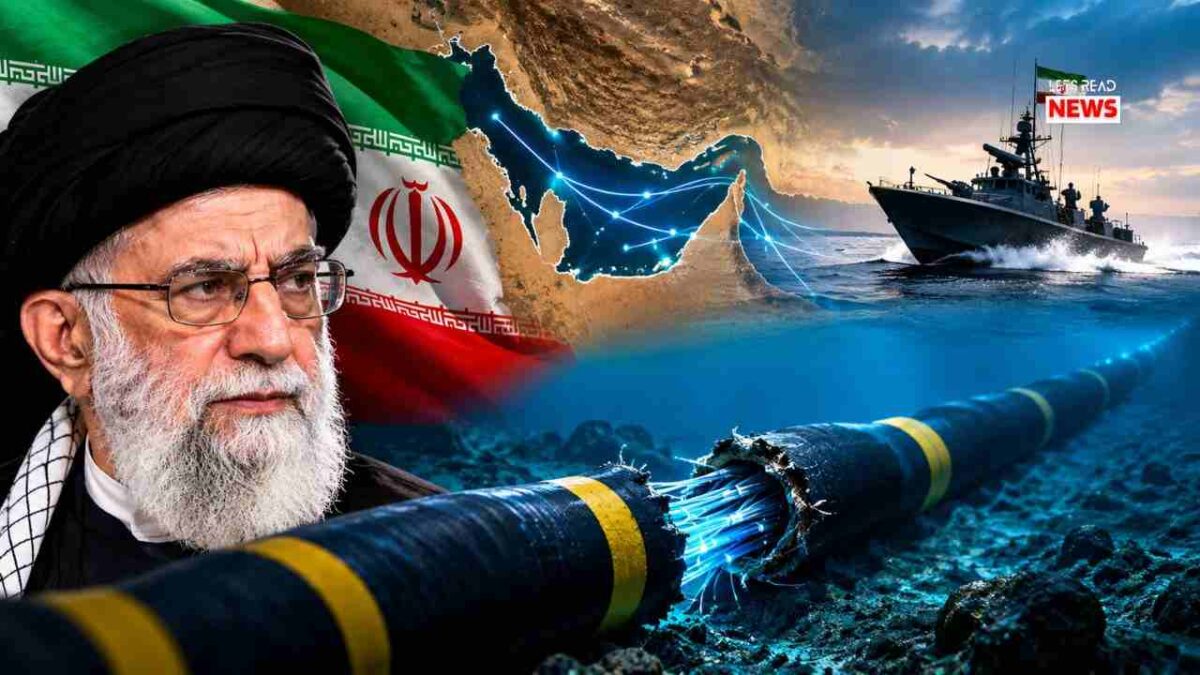
Iran has drawn up detailed plans to strike undersea communications cables in the Gulf if the United States and Israel attack it again, two senior Iranian security officials told Reuters, in what would mark a dramatic escalation of Tehran’s deterrence strategy.
One of the officials said Iran would also attempt to block repair efforts, ensuring that internet and communications outages lasted as long as possible. Both officials spoke on condition of anonymity and provided few details about how or where such strikes would be carried out. The warning comes as Washington signals that military action against Iran could resume in the near term.
“If Iran is attacked, there will be no more red lines … from undersea cables to military bases, including covert ones,” one official said, according to Reuters. The official warned Washington not to “play with fire” and claimed Tehran had full access to the cables and could easily destroy them.
The second official issued a pointed message to Gulf states that have invested heavily in digital infrastructure, saying they “should hold Washington, not Tehran, responsible for any damage to undersea cables.”
A Pattern of Public Threats
The officials’ comments follow a series of increasingly specific public warnings from senior Iranian figures. On Wednesday, October 21, Yadollah Javani, the deputy head of political affairs for the Islamic Revolutionary Guard Corps, said Iran could target seven major internet cables beneath the Strait of Hormuz if Iranian infrastructure were attacked.
Earlier this month, top security official Mohsen Rezaei warned that US-linked data centres and artificial intelligence facilities across the Gulf could also be in Tehran’s crosshairs. During the March conflict, Iranian strikes directly hit two Amazon Web Services facilities in the United Arab Emirates.
Alex Vatanka of the Middle East Institute said the threats are primarily intended to deter a new round of conflict rather than signal imminent action. “Tehran wants Gulf states and corporate executives to press (US President Donald) Trump over the risks his policies pose to their investment plans,” he told Reuters.
Limited Global Reach, Significant Regional Risk
Undersea cables carry approximately 99 percent of global internet traffic, according to the International Telecommunication Union. However, Alan Mauldin, research director at TeleGeography, said less than 1 percent of international bandwidth passes through the Strait of Hormuz, meaning the global effect of attacks there would likely be limited.
The regional picture is more concerning. Analysts said several simultaneous cuts could slow internet service across the Gulf and disrupt payments, e-commerce, and cloud computing. Repairs during wartime could also take significantly longer due to higher insurance costs and delays in securing permits.
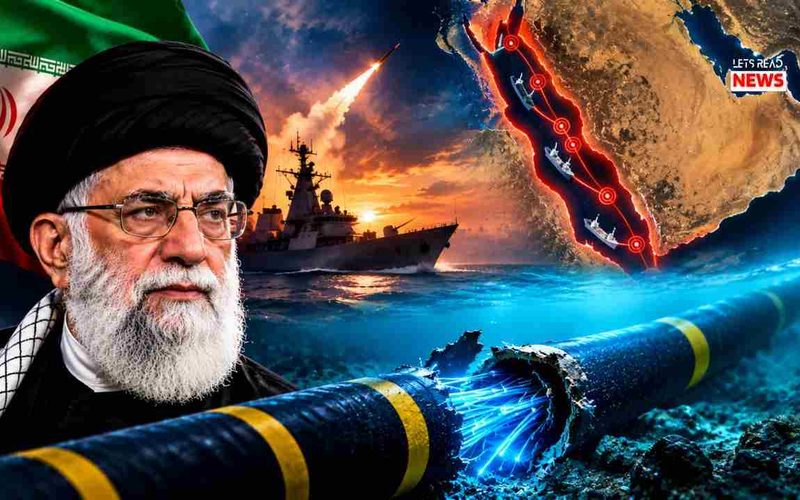
Mauldin noted that the Red Sea would be a more consequential target, carrying roughly 10 percent of inter-regional traffic — though Tehran has not said it plans to strike cables there.
Strike Speculation in Washington
Tensions were further stoked on Friday when Tom Barrack, the US ambassador to Turkey, was asked whether military action against Iran could come as soon as this weekend. “Could there be a strike this weekend? Absolutely,” Barrack said.
Trump sought to walk back the remark, telling reporters in Florida, “If that’s the case, I don’t know anything about it.”
Meanwhile, Iran claimed on Thursday that it had hit seven vessels in the Strait of Hormuz. The US State Department and Iran’s Foreign Ministry did not respond to Reuters’ requests for comment on the officials’ claims.
Also Read:


2 comments