Why Italian PM Meloni Calls Trump’s NATO Remarks ‘Unacceptable’?
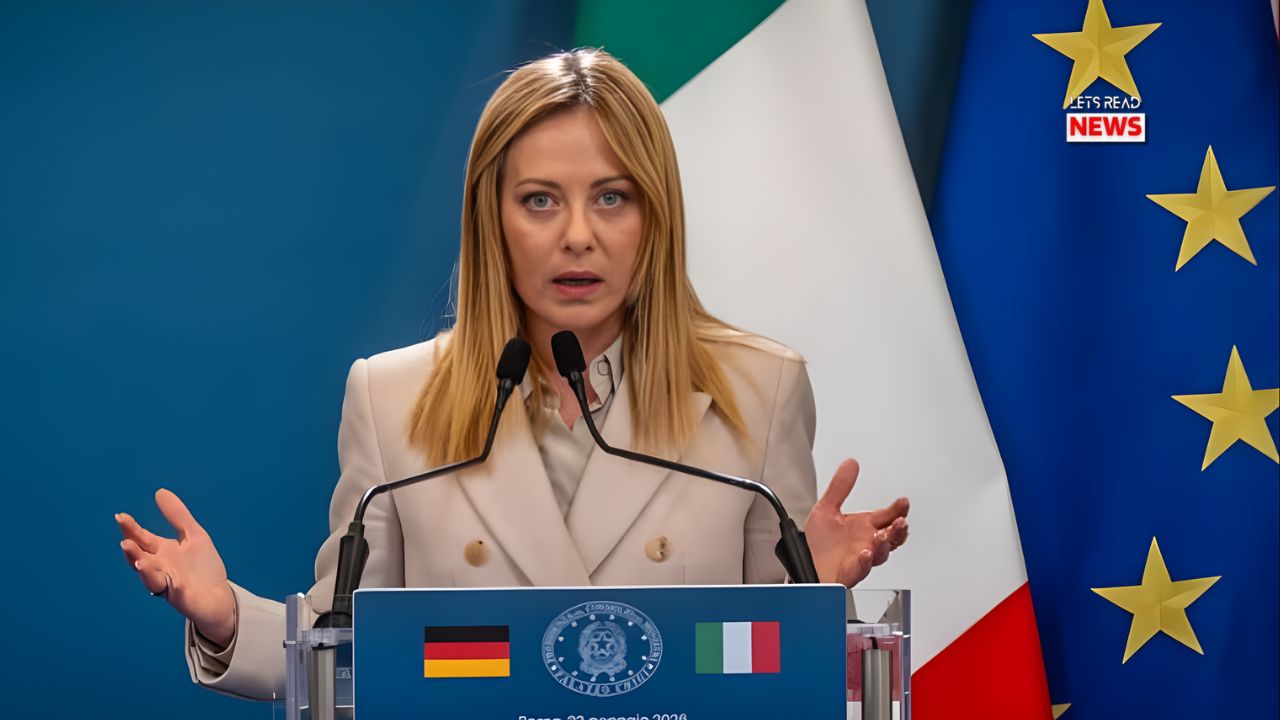
Italian Prime Minister Giorgia Meloni delivered a sharp rebuke to U.S. President Donald Trump on Saturday, labeling his recent comments about NATO allies’ role in the Afghanistan war as “unacceptable.” The criticism highlights deep sensitivities around allied sacrifices in the 20-year conflict and comes amid already strained transatlantic ties following Trump’s broader criticisms of NATO.
Trump’s remarks originated in a Fox News interview conducted from Davos, Switzerland, on Thursday. In the discussion, he claimed that while NATO allies “sent some troops to Afghanistan and they did,” they largely “stayed a little back, a little off the front lines.” He contrasted this with what he portrayed as heavier U.S. involvement, suggesting that many European partners had not fully shouldered the burden in one of the deadliest theaters of the post-9/11 era.
Meloni’s response, issued just 36 hours later, carried extra weight given her reputation as one of Trump’s most sympathetic European leaders. She expressed astonishment on behalf of the Italian government, emphasizing that NATO’s invocation of Article 5—the alliance’s collective defense clause—following the September 11, 2001, attacks represented an “extraordinary act of solidarity” with the United States. This was the only time in NATO’s history that Article 5 has been activated.
Italy responded decisively: thousands of Italian troops deployed over nearly two decades, with the country taking full responsibility for the Western Regional Command in Herat province. The human cost was significant—53 Italian soldiers were killed in action, and more than 700 were wounded. Meloni stressed that these sacrifices “cannot be called into question” and form part of a “solid friendship founded on shared values and historic collaboration” between Italy and the United States.
“Friendship requires respect,” she added, “a fundamental condition for continuing to ensure the solidarity at the core of the Atlantic Alliance.” Her statement underscored that minimizing allied contributions—especially from a fellow NATO member—is particularly galling when it overlooks the blood and treasure paid by partners.
The backlash extended beyond Italy. Danish Prime Minister Mette Frederiksen echoed Meloni’s language, calling the remarks “unacceptable” and expressing solidarity with veterans. Denmark, which lost at least 43 soldiers (many in the brutal Helmand province), saw its Veterans Association plan a silent protest march to the U.S. Embassy in Copenhagen. British Prime Minister Keir Starmer described the comments as “insulting and frankly appalling,” while Prince Harry, who served two tours in Afghanistan, insisted that NATO sacrifices “deserve to be spoken about truthfully and with respect.” The United Kingdom suffered the highest non-U.S. NATO casualties, with 457 troops killed.
In a partial course correction on Saturday, Trump posted on Truth Social praising British troops as “great and brave” and “among the greatest of all warriors,” affirming that they “will always stand with the United States of America.” Notably, he did not extend similar praise to other NATO contributors like Italy, Denmark, or others who bore heavy losses.
Italy’s Defense Minister Guido Crosetto, who had previously highlighted the courage of Italian forces, is set to send a formal letter to U.S. Secretary of Defense Pete Hegseth and NATO Secretary General Mark Rutte addressing the issue further.
Meloni’s firm pushback reflects a broader European frustration: while Trump has long criticized NATO burden-sharing and spending levels, downplaying frontline contributions in a war triggered by an attack on the U.S. strikes at the heart of alliance solidarity. For Italy and other partners, the remarks risk undermining the mutual respect essential to NATO’s future—especially as the alliance navigates new challenges in an increasingly volatile global landscape.
Recommended for you