White House Revises US-India Trade Deal Fact Sheet – A Comparison of Original vs. Revised Versions
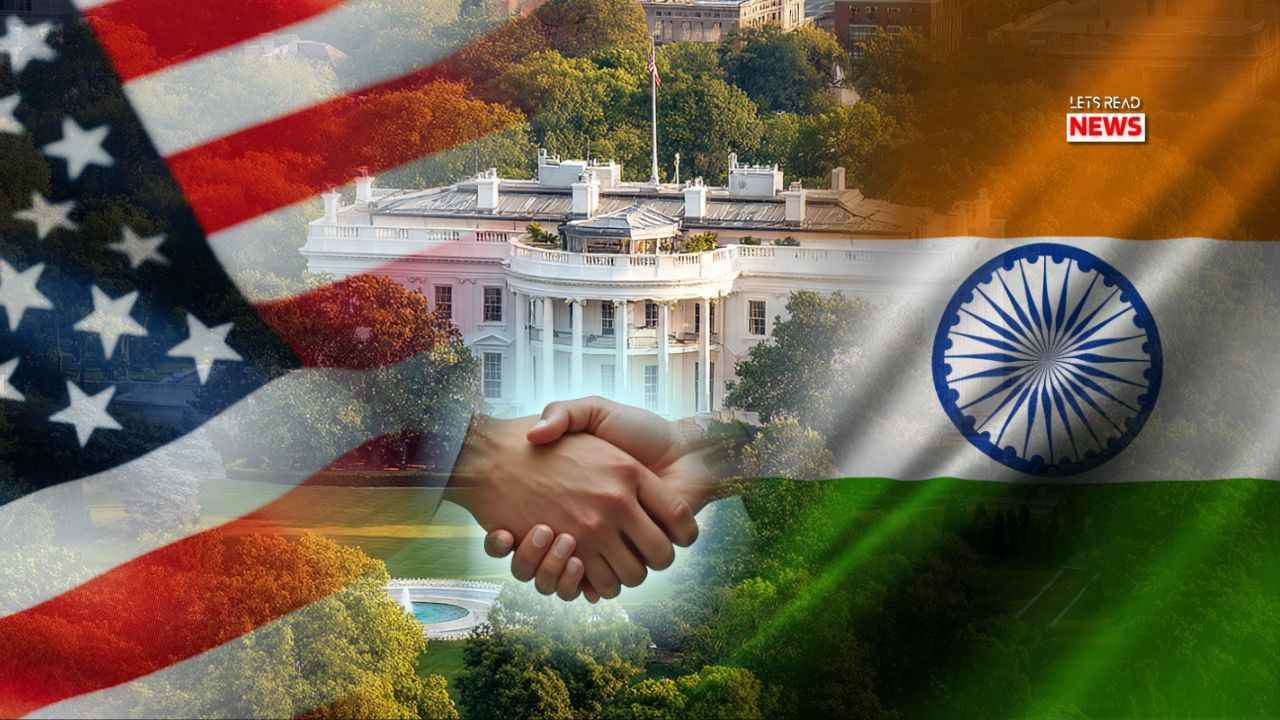
The US-India interim trade deal, announced on February 6, 2026, via a joint statement, marked a significant step toward addressing longstanding trade imbalances between the two nations. However, the White House’s fact sheet, initially released on February 9, 2026, included details that diverged from the joint agreement, prompting swift revisions. These changes, made within 24 hours, removed references to “certain pulses,” softened language on India’s purchase intentions for $500 billion in US goods, and eliminated claims about India removing its digital services taxes. This article provides a detailed comparison of the original and revised fact sheets, drawing from White House documents and media reports, while exploring the context, reasons, and implications.
Background of the Trade Deal
The framework stems from negotiations initiated in February 2025 for a broader US-India Bilateral Trade Agreement (BTA). The interim deal reduces US tariffs on Indian goods from 50% (including a 25% punitive tariff over Russian oil purchases) to 18%, with further removals on items like pharmaceuticals, gems, diamonds, and aircraft parts upon finalization. In exchange, India commits to lowering tariffs on US industrial and agricultural products. The joint statement, released on February 6, lists specific agricultural products for tariff reductions but omits pulses and the $500 billion figure entirely. The White House fact sheet, titled “Fact Sheet: The United States and India Announce Historic Trade Deal,” was updated quietly, reflecting diplomatic adjustments to align with India’s sensitivities.
Key Differences: Original vs. Revised Fact Sheet
The revisions appear to stem from India’s pushback on characterizations that could impact domestic agriculture and fiscal policies. Below is a side-by-side comparison of the major changes, based on the full revised text from the White House website and quotes from the original in media coverage.
| Section | Original Fact Sheet (February 9, Initial Release) | Revised Fact Sheet (Updated Version) | Analysis of Change |
|---|---|---|---|
| Tariff Reductions on Agricultural Products | “India will eliminate or reduce tariffs on all U.S. industrial goods and a wide range of U.S. food and agricultural products, including dried distillers’ grains (DDGs), red sorghum, tree nuts, fresh and processed fruit, certain pulses, soybean oil, wine and spirits, and additional products.” | “India will eliminate or reduce tariffs on all U.S. industrial goods and a wide range of U.S. food and agricultural products, including dried distillers’ grains (DDGs), red sorghum, tree nuts, fresh and processed fruit, soybean oil, wine and spirits, and additional products.” | Removal of “certain pulses.” Pulses (lentils, chickpeas, dry beans) are politically sensitive in India, the world’s largest producer and consumer. India’s Agriculture Minister stated on February 8 that pulses would not be imported, and their absence from the joint statement suggests this was an overstatement in the original. This change aligns the fact sheet with the joint agreement and avoids domestic backlash in India. |
| India’s Purchase Intentions | “India is committed to buy more American products and purchase over $500 billion of U.S. energy, information and communication technology, coal, agricultural, and other products.” (Some reports indicate inclusion of agricultural goods.) | “India intends to buy more American products and purchase over $500 billion of U.S. energy, information and communication technology, coal, and other products.” | Shift from “committed to buy” to “intends to buy,” softening the obligation. Potential removal of “agricultural” from the list, emphasizing non-sensitive sectors. The $500 billion figure lacks a timeline and is described as “directional intent” rather than binding, reducing pressure on India. |
| Digital Services Taxes and Trade Rules | “India will remove its digital services taxes. India committed to negotiate a robust set of bilateral digital trade rules that address discriminatory or burdensome practices and other barriers to digital trade.” | “India committed to negotiate a robust set of bilateral digital trade rules that address discriminatory or burdensome practices and other barriers to digital trade.” | Complete removal of the claim that India “will remove its digital services taxes.” This tax targets US tech firms, and its elimination was not in the joint statement. The revision retains only the negotiation commitment, avoiding escalation on digital trade issues. |
| Other Minor Language Adjustments | References to “historic milestone” and broader commitments remained largely intact, but overall tone was adjusted for alignment. | No major additions; focus on reciprocity and future BTA negotiations. | Ensures consistency with the February 6 joint statement, which omits the revised elements entirely. |
Reasons for the Revisions
The changes reflect successful diplomatic negotiations from New Delhi, as reported by multiple outlets. Pulses are a cornerstone of India’s food security and farm economy, with imports totaling $5.48 billion in FY2024-25, but only a small fraction from the US. Including them could undermine local producers and spark protests, especially amid ongoing farm sensitivities. The $500 billion language was toned down to match the joint statement’s aspirational tone, preventing it from being seen as a firm quota. Similarly, dropping the digital taxes claim avoids friction over India’s sovereign policies. Trade experts note that such revisions are common when unilateral fact sheets overstate agreements, and the White House’s silence suggests a desire to move forward without fanfare.
Implications for US-India Relations
These tweaks ensure the deal’s progress toward finalization by mid-March 2026, paving the way for a comprehensive BTA covering tariffs, IP, labor, and more. For the US, it expands market access for exporters while addressing trade deficits. For India, it protects key sectors and boosts exports without concessions on sensitivities like agriculture. Broader ties, including supply chain resilience and tech cooperation, remain strong, underscoring a strategic partnership amid global challenges. However, unresolved issues like non-tariff barriers could resurface in future talks.
Conclusion
The White House’s revisions highlight the delicate balance in international trade negotiations, where accuracy and mutual respect are key. By aligning the fact sheet with the joint statement, both nations demonstrate commitment to a reciprocal partnership. As talks continue, this episode serves as a reminder that trade deals are as much about diplomacy as economics.
Recommended for you :