Did Insiders Use Prediction Markets to Cash In $1.2 Million on the U.S. Iran Strike?
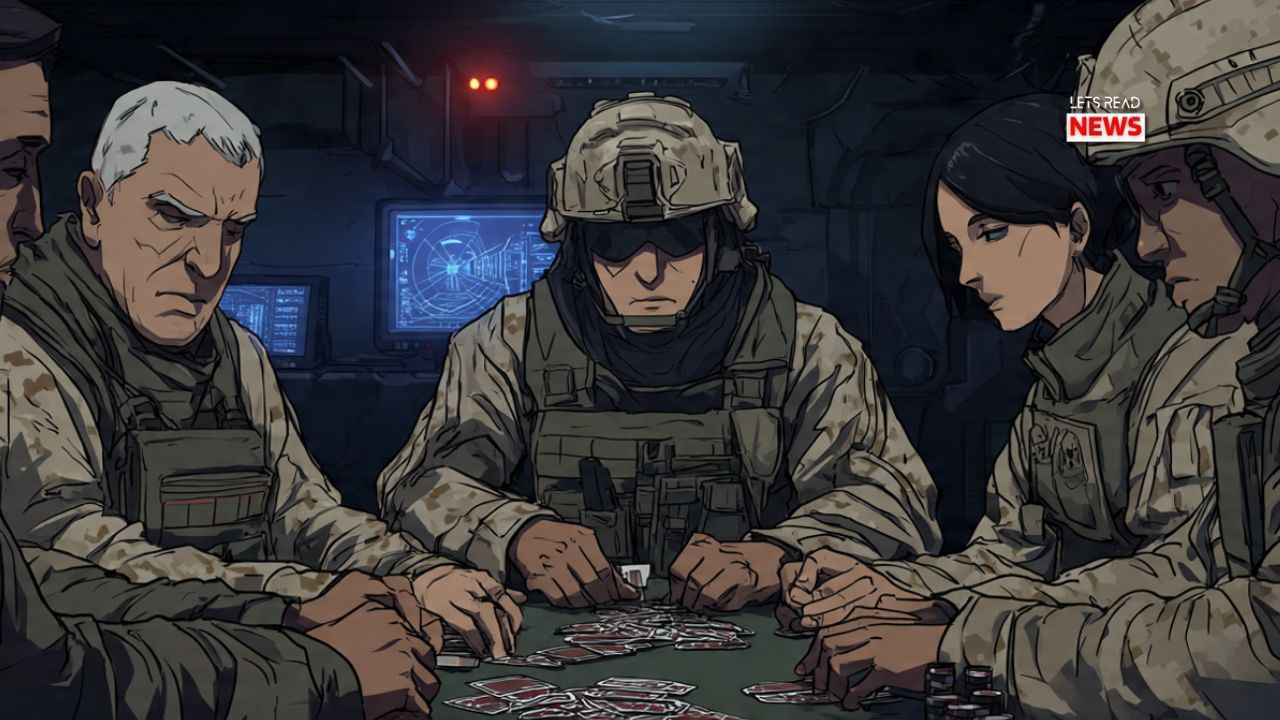
In the hours leading up to the U.S. and Israeli joint military strikes on Iran on February 28, 2026, a handful of newly created accounts on the popular prediction market platform Polymarket placed massive bets on the exact timing of the attack—and walked away with roughly $1.2 million in profits. The suspicious trades have reignited debates over insider trading, national security risks, and the ethics of betting on geopolitical violence. Now, Senator Chris Murphy (D-CT) is pushing to ban such platforms outright, calling them “corrupt and destabilizing.”
The controversy exploded after blockchain analytics firm Bubblemaps flagged six wallets on X (formerly Twitter) that exhibited classic signs of foreknowledge. These accounts, most created and funded within 24 hours of the strikes, had virtually no prior activity on Polymarket. They focused almost exclusively on “Yes” shares in markets predicting a U.S. strike on Iran by specific dates—particularly February 28.
The Suspicious Trades in Detail
- One three-day-old wallet bought over 560,000 “Yes” shares at around 10.8 cents each in the “U.S. strikes Iran by February 28, 2026?” contract. When the market resolved to “Yes” after explosions rocked Tehran, the position paid out nearly $560,000.
- Another account, “Roeyha2026,” created just 11 hours before placing a $50,000 bet, generated $96,800 in profit.
- A third trader, “Vivaldi007” (joined February 8), spread bets across multiple strike-date markets, absorbing early losses before netting $385,000 on the correct outcome.
Trading volume on the February 28-specific contract hit nearly $90 million, contributing to over $529 million wagered across related U.S.-Iran strike markets since December 2025. Polymarket’s overall Iran-related contracts, including those on Supreme Leader Ayatollah Ali Khamenei’s ouster (which resolved “Yes” after his reported death in the strikes), drew even more volume—some estimates place total conflict betting at $600 million.
These patterns mirror past allegations: In mid-February 2026, Israeli authorities charged two individuals with using classified military intelligence for Polymarket bets. January saw a trader turn $32,000 into $400,000 by predicting the ousting of Venezuelan leader Nicolás Maduro ahead of public announcement.
Polymarket has defended its war-related markets as an “invaluable” public service, arguing they deliver real-time, crowd-sourced forecasts that traditional media and social platforms often fail to match. The platform emphasizes that its markets harness collective wisdom during crises, providing clarity amid chaos.
Political Backlash and Senator Murphy’s Push for a Ban
The trades added immediate fuel to growing criticism of prediction markets. On February 27—before the strikes—Senator Chris Murphy announced plans to introduce legislation banning platforms that allow betting on armed conflicts and geopolitical events. He described them as “corrupt and destabilizing,” arguing that insiders with classified knowledge can exploit them for massive financial gain while profiting from “war and death.”
In a post on X following the strikes and trades, Murphy reiterated his stance, stating he was “working on legislation to ban corrupt and destabilizing prediction markets” where government insiders could “rig the game.” He highlighted how such platforms commodify tragedy and potentially compromise national security.
A January letter from a coalition of 12 U.S. senators to Commodity Futures Trading Commission (CFTC) Chairman Michael Selig had already warned that war contracts could enable foreign adversaries to profit from leaked intelligence.
Kalshi co-founder Tarek Mansour pushed back, distinguishing regulated U.S. exchanges (which prohibit war markets) from offshore, unregulated platforms like Polymarket. “Regulated prediction markets are not allowed to do war markets,” Mansour wrote on X. “The market you’re posting is unregulated and offshore.”
The CFTC issued an advisory this week reminding that insider trading on event contracts may violate U.S. law, though enforcement against decentralized, blockchain-based platforms remains challenging.
Broader Implications
The incident underscores the dual nature of prediction markets: hailed by proponents as superior information aggregators (often more accurate than polls or pundits), yet criticized as vehicles for insider abuse and moral hazard when tied to real-world violence. With Polymarket’s Iran bets becoming one of its largest-ever markets, the platform has become a real-time barometer for geopolitical risk—but at what cost?
As investigations into the flagged wallets continue and Senator Murphy drafts his bill, the episode could force regulators to confront whether betting on bombs, regime changes, and military strikes belongs in the financial mainstream—or should be outlawed entirely.
The question now isn’t just who knew about the strike in advance—it’s whether prediction markets should exist in a world where information can be weaponized for profit.
Recommended Article :