The EU-Mercosur Trade Deal: A Looming Threat to European Farmers?
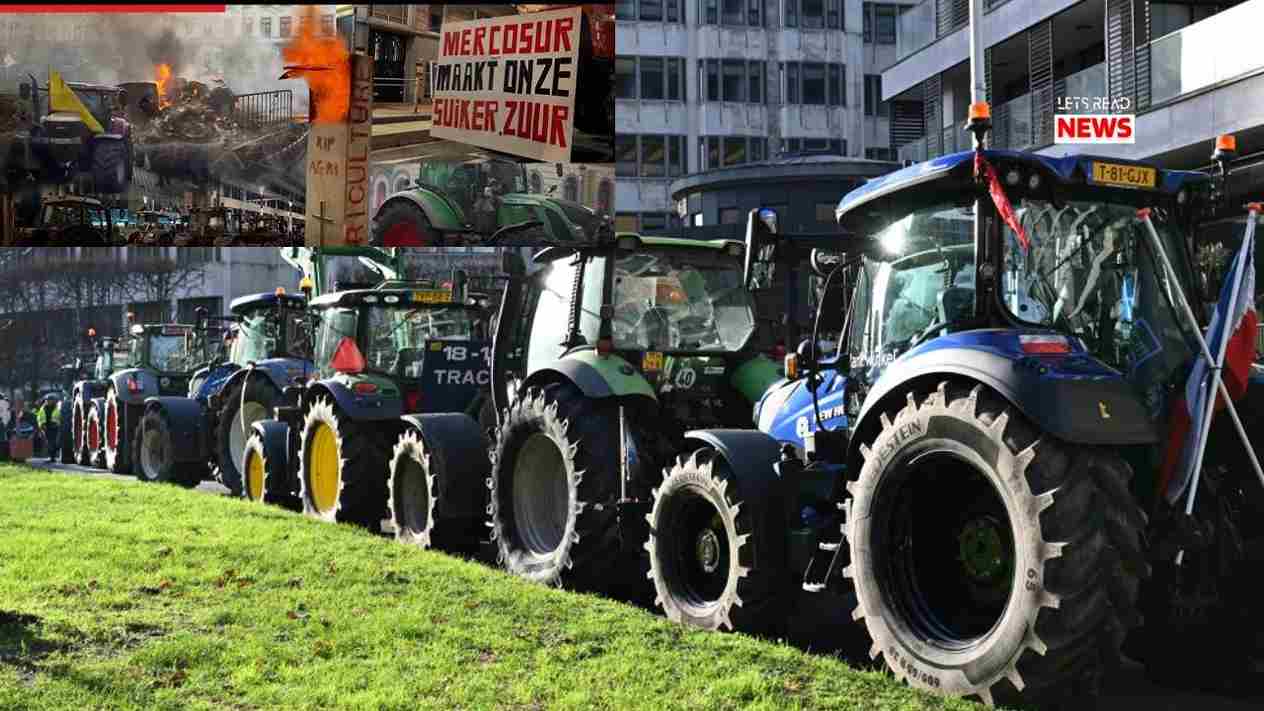
As the European Union edges closer to finalizing a historic trade agreement with the Mercosur bloc—comprising Argentina, Brazil, Paraguay, and Uruguay—farmers across Europe are mobilizing in unprecedented numbers. With EU ambassadors set to vote on the deal this Friday, January 9, 2026, and a potential signing ceremony in Paraguay on January 12, protests have erupted in countries like France, Poland, Greece, Ireland, and beyond. These demonstrations, marked by tractor blockades, highway shutdowns, and rallies, underscore deep-seated fears about the deal’s repercussions on local agriculture. But what exactly is at stake, and why are farmers so vehemently opposed?
Understanding the EU-Mercosur Agreement
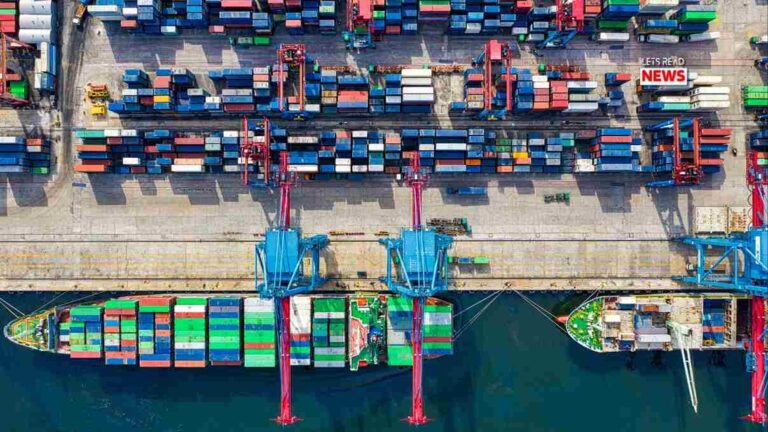
Negotiated for over 25 years, the EU-Mercosur trade deal aims to eliminate tariffs on approximately 90% of goods traded between the two regions over a 12- to 15-year phase-in period. For the EU, this means easier exports of vehicles, machinery, wines, and spirits to South America, potentially saving businesses billions in duties and reducing reliance on markets like China amid global trade tensions. In return, Mercosur countries would gain preferential access to the EU market for agricultural products, including up to 99,000 tonnes of beef annually at a reduced 7.5% tariff—equivalent to about 1.5% of total EU beef production.
Proponents, including Germany and Spain, argue that the pact bolsters geopolitical alliances and secures access to critical minerals, offsetting U.S. tariffs and enhancing economic diversification. However, critics—particularly in the agricultural sector—view it as a “cars for cows” exchange that prioritizes industrial gains at the expense of farmers.
The Economic Impacts on European Farmers
The core concern for European farmers is unfair competition from South American imports produced under less stringent environmental, food safety, and labor standards. Brazil, a Mercosur powerhouse, shattered beef export records in 2025 with 3.116 million tonnes shipped through November, an 8.4% increase over the previous year. Farmers fear this surge could flood EU markets, driving down prices and eroding profit margins for local producers already burdened by strict EU regulations.
For instance, the deal’s quotas could undercut sectors like beef, poultry, and sugar, where South American costs are lower due to differences in pesticide use, animal welfare, and deforestation practices. In Poland, farmers warn that the influx of cheaper food threatens food safety and could “destroy” European agriculture in favor of other industries like automotive and agrochemicals. Similarly, French farmers highlight the hypocrisy: while the EU enforces rigorous environmental rules under the Green Deal, Mercosur imports might not adhere to the same, leading to an uneven playing field.
Economically, this could result in farm closures, job losses in rural communities, and reduced food sovereignty. A study by the Center for Advanced Studies on Applied Economics at the University of São Paulo underscores the scale: Brazil’s export boom intensifies worries about market disruption. In Ireland, where beef is a cornerstone industry, politicians like MEP Ciarán Mullooly describe the deal as an “existential threat,” potentially devastating family farms.
Why Are Farmers Protesting Now?
The protests are not just about economics; they reflect a broader frustration with EU policies that farmers perceive as prioritizing global trade over local livelihoods. In Greece, farmers voted to escalate month-long actions into a 48-hour nationwide highway shutdown starting January 8, 2026, demanding subsidies and opposing Mercosur. This could “cut Greece in two,” disrupting critical infrastructure like bridges and junctions.
In Ireland, a massive demonstration is planned for January 11 in Athlone, with up to 10,000 attendees and a tractor cavalcade backed by major farming associations. Polish farmers have staged over 160 protests since December 30, 2025, including a large anti-EU rally in Warsaw on January 3, decrying the deal’s potential to undermine standards. France, a vocal opponent, has seen ongoing blockades, prompting the government to tighten import checks and suspend pesticide-laden products on January 4, 2026.
Recent X posts highlight the intensity: French farmers are threatening to dump manure at the Élysée Palace on January 6, while Polish demonstrators block roads nationwide. In Brussels, clashes with police involving tear gas and eggs have occurred as farmers demand fair pay and reject imports that don’t meet EU rules. These actions stem from a sense of betrayal—farmers argue the EU’s “safeguard clauses” are insufficient to protect against price crashes or import surges.
Environmental concerns amplify the outcry: The deal could accelerate Amazon deforestation for beef production, contradicting EU green goals. As one French farmer told Euronews, “We have a lot of rules to respect and they are not respecting, and yet [the EU] is willing to import more.”
Broader Implications and the Road Ahead
While the deal promises strategic benefits, its agricultural concessions have united farmers in a pan-European movement. Italy, initially opposed, may now support it, potentially tipping the scales in Friday’s vote. French President Emmanuel Macron insists it “cannot be signed” without stronger protections, while opponents like Poland’s government rally a blocking minority.
The protests have already delayed the deal from December 2025, forcing concessions like import suspension mechanisms. Yet, as demonstrations intensify—with calls for “Frexit” in France and broader EU skepticism—they signal a deeper crisis in agricultural policy. For European farmers, this isn’t just about trade; it’s about survival, heritage, and ensuring future generations can farm sustainably.
As the January 9 vote approaches, the outcome could reshape EU-South America relations—or ignite even larger unrest if farmers’ voices go unheeded.