The Unseen Urgency: Macron’s Davos Plea to Redefine Global Power Dynamics
Beyond the Tariffs: Why Macron’s Call for G7-BRICS Unity at Davos Signals a Deeper Game
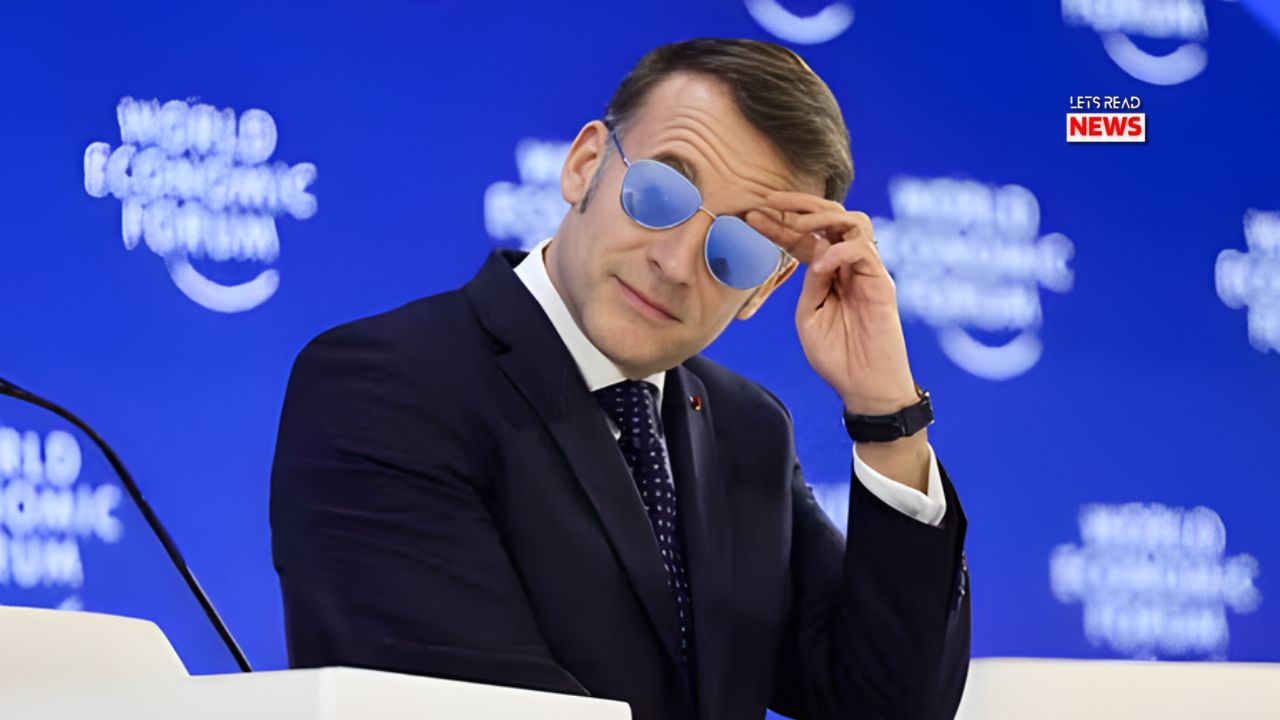
DAVOS, Switzerland – In the rarefied air of the World Economic Forum, French President Emmanuel Macron delivered a speech that, while framed by current geopolitical and trade tensions, unveiled a far more profound vision for the global economic order. His impassioned plea for the G7 to forge stronger ties with BRICS nations, and his stark warning against a “fragmentation of this world,” transcended immediate headlines, suggesting an urgent recalculation of who holds the levers of global power.
The Economic Realignment Imperative
Macron’s address was not merely a diplomatic overture; it was a candid diagnosis of a global economy teetering on the brink of structural collapse, exacerbated by what he termed “a shift towards a world without rules.” He meticulously laid out the core imbalances: American overconsumption, Chinese underconsumption coupled with overinvestment, and European underinvestment and a struggle for competitiveness. This frank assessment underscores a growing realization among major economies that the traditional models driving global prosperity are no longer sustainable.
His declaration that “Trade wars, protectionist escalation, races towards overproduction will only produce losers” directly challenges the prevailing nationalist economic narratives. For Macron, the G7’s role is not just to coordinate among themselves but to demonstrate a capacity for shared diagnosis and concerted action that includes the rising economic giants of the BRICS bloc.
Navigating the American Tempest
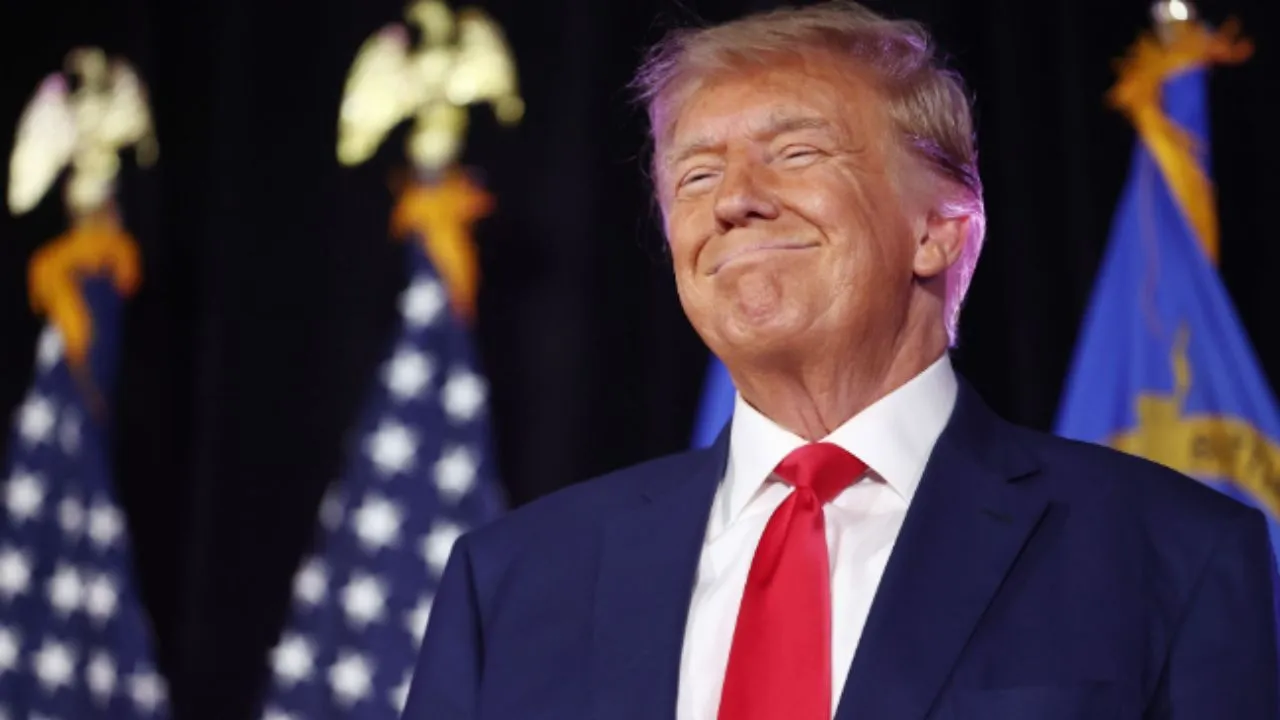
The backdrop of Macron’s speech was undeniably fraught with tension, particularly from across the Atlantic. President Donald Trump’s recent announcement of impending 10% tariffs on eight European countries, including France, effective February 1st – with a threat to escalate to 25% by June if they do not support the U.S. bid for Greenland – cast a long shadow over Davos.
Macron’s response was a masterclass in direct, yet strategic, pushback. He criticized “competition from the United States through trade agreements that undermine our export interests, demand maximum concessions and openly aim to weaken and subordinate Europe.” This wasn’t a call for capitulation or a “purely moral posture” of condemnation, but a pragmatic assertion that France and Europe must champion “effective multilateralism.” This approach, he argued, serves their interests by refusing to “submit to the rule of force.” This segment of his speech was a clear signal that Europe intends to assert its economic sovereignty, even when faced with significant pressure from its traditional allies.
The Unavoidable BRICS Factor
Perhaps the most significant aspect of Macron’s speech was his explicit embrace of cooperation with BRICS and G20 nations as central to France’s G7 agenda. This outreach comes at a particularly salient moment, with India slated to assume the BRICS chairmanship in 2026, marking the bloc’s 20th anniversary.
By highlighting this, Macron implicitly acknowledged the undeniable shift in global economic gravity. The BRICS nations (Brazil, Russia, India, China, South Africa, and soon others) represent a formidable share of the world’s population, land area, and economic output. To exclude them from critical global economic discussions, or to merely view them as competitors, would be to ignore the reality of a multipolar world.
Macron’s assertion that “Cooperating is not about blaming others… It is about assuming one’s share of responsibility and contributing to solutions” signals a strategic pivot. It suggests a recognition that true global stability and prosperity cannot be achieved by a select few, but requires the active engagement and shared responsibility of all major economic players.
A New Global Architecture?
Macron’s Davos address was more than just a commentary on current affairs; it was a blueprint for a potential restructuring of global economic governance. By advocating for deeper engagement between the G7 and BRICS, he is pushing for an inclusive multilateralism that moves beyond the traditional East-West or North-South divides. This vision, while ambitious, reflects a growing understanding that the challenges of the 21st century – from climate change to economic instability – demand solutions forged in consensus, not coercion.
The question remains whether the other G7 nations, particularly the United States, are ready to embrace such a radical shift in their approach to global economic leadership. However, Macron’s speech has undeniably set the stage for a critical debate on the future of global cooperation, urging the world’s established powers to confront the “unseen urgency” of a rapidly evolving international landscape.
Recommended for you