Tehran’s High-Stakes Gambit: Why Iran’s Last-Minute Demands May Have Already Doomed the Islamabad Talks — And What It Means for America’s Next Move
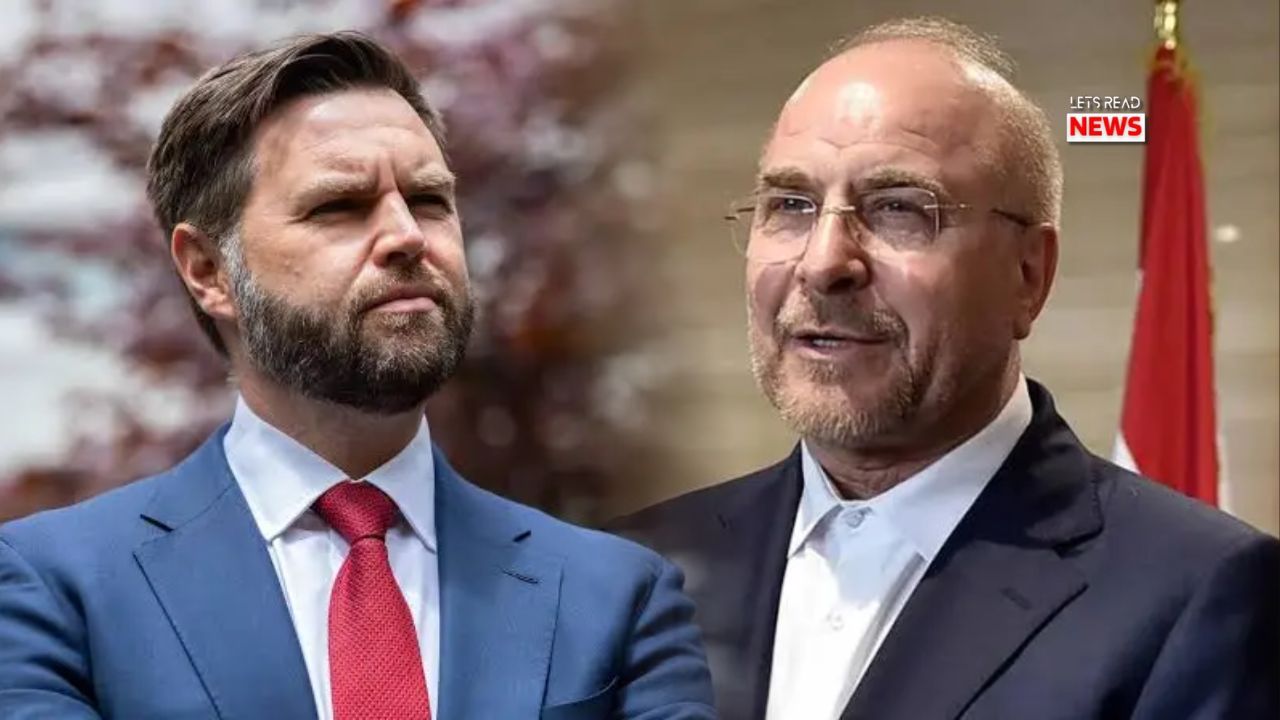
Just 24 hours before what was billed as a make-or-break summit in Islamabad, Iran’s Parliament Speaker Mohammad Bagher Ghalibaf dropped what amounts to a diplomatic grenade. In a crisp X post, he laid down two non-negotiable preconditions for any face-to-face talks with the United States: an immediate, verifiable ceasefire across Lebanon and the unfreezing of Tehran’s blocked foreign assets. No movement on those fronts, no negotiations. Period.
The timing could not be more theatrical — or more damaging. U.S. Vice President JD Vance was already airborne for Pakistan, the two-week ceasefire brokered by Islamabad was ticking toward expiration around April 22, and Pakistani security forces had turned the capital into a fortress. Yet Iranian state media, including Tasnim News Agency (the Revolutionary Guards’ preferred megaphone), flatly denied any delegation had even landed. This directly contradicted The Wall Street Journal’s reporting and a now-deleted post from Iran’s ambassador to Pakistan. Classic Tehran fog-of-war playbook.
The Lebanon Trap: Where the Real Fight Is
At the heart of the impasse lies a deliberate ambiguity over what the original ceasefire actually covered. Pakistani Prime Minister Shehbaz Sharif declared it applied “to all areas, including Lebanon and beyond.” Washington and Jerusalem insist it never did. The result? Israeli strikes on Lebanon intensified after the announcement, killing at least 254 people in a single day according to Lebanese authorities — enough carnage for Beirut to declare national mourning and for Iran’s Revolutionary Guards to issue a blunt warning of “fulfilling our duty.”
Iran is not bluffing when it says Lebanon is its red line. Hezbollah is Tehran’s most valuable forward asset, and any permanent truce that leaves Israeli operations against it untouched would be seen in Tehran as a strategic defeat. By tying the Islamabad talks to a Lebanon ceasefire, Ghalibaf and Foreign Minister Abbas Araghchi have effectively moved the goalposts from “convert fragile truce into permanent deal” to “force Washington to restrain Israel first.”
The Asset Card: Money Talks Louder Than Missiles
The second precondition — release of blocked Iranian assets — is pure leverage politics. Tehran knows the U.S. holds billions in frozen funds from sanctions enforcement. Unfreezing even a portion would give Iran breathing room amid its battered economy without requiring any nuclear concessions. It’s a low-cost win for Tehran and a politically toxic concession for the Trump administration, which has spent years branding itself as the toughest sheriff on Iran.
Probability Check: Brutally Low, and Getting Lower
Let’s be honest about the math. The window is microscopic — talks were meant to start Saturday, the ceasefire expires in roughly 11 days. Iran has given the U.S. zero runway to deliver on either precondition. Israeli security doctrine is not going to pause operations in Lebanon on Tehran’s timetable, and the Trump White House has zero incentive to look weak by rushing asset releases under duress.
My assessment: success probability sits at under 15%. The most likely outcome is a short, ugly extension of the current truce at best, or a return to open confrontation at worst. Iran’s denial of its own delegation’s arrival is not confusion — it’s messaging. They are daring Washington to blink first.
What This Means for the United States
For the Trump administration, this is not just another Middle East headache — it is a test of whether “maximum pressure” still works when the other side believes it can outlast you.
- Military Escalation Risk: President Trump has already told the New York Post that U.S. warships are being re-armed for potential strikes on Iran. A failed Islamabad round hands the Pentagon a green light. But a strike campaign against Iran is no surgical operation — it risks closing the Strait of Hormuz, spiking global oil prices past $120 a barrel, and pulling in Russia and China on Tehran’s side.
- Domestic Political Blowback: Vance’s trip was sold as decisive diplomacy. If it collapses spectacularly, Trump’s critics will paint it as amateur-hour brinkmanship. Conversely, if the administration caves on assets or Lebanon, the MAGA base that elected Trump on “no more forever wars” will cry betrayal.
- Strategic Ripple Effects: Pakistan, desperate to play kingmaker, now looks exposed. Its security lockdown and visa-on-arrival circus for non-existent delegations is turning into an international embarrassment. Saudi Arabia and the Gulf states are watching nervously — any renewed Iran-Israel clash could reignite the entire region. And Israel, feeling unconstrained, may accelerate operations that Washington would prefer to keep contained.
- The Longer Game: Iran has mastered the art of diplomatic delay. By forcing the U.S. to choose between Israeli security guarantees and a potential grand bargain, Tehran is betting that domestic U.S. politics and global energy markets will eventually tilt in its favor. It is a high-risk bet, but one rooted in the conviction that America’s attention span is shorter than Iran’s pain tolerance.
This is not the usual “both sides are posturing” story you’ll read elsewhere. This is a calculated Iranian power play designed to expose the limits of American leverage in a multipolar Middle East. The next 72 hours will not decide peace — they will decide whether the region slides back into the kind of open conflict that could define Trump’s second term before it even hits its stride.
The clock is not just ticking in Islamabad. It is ticking in the Persian Gulf, on oil trading floors in New York and London, and inside the Situation Room in Washington. And right now, the smart money says the odds favor escalation over breakthrough.
Read more: