Could Marco Rubio Become the Next President of Cuba? Trump’s Provocative Endorsement Sparks Debate
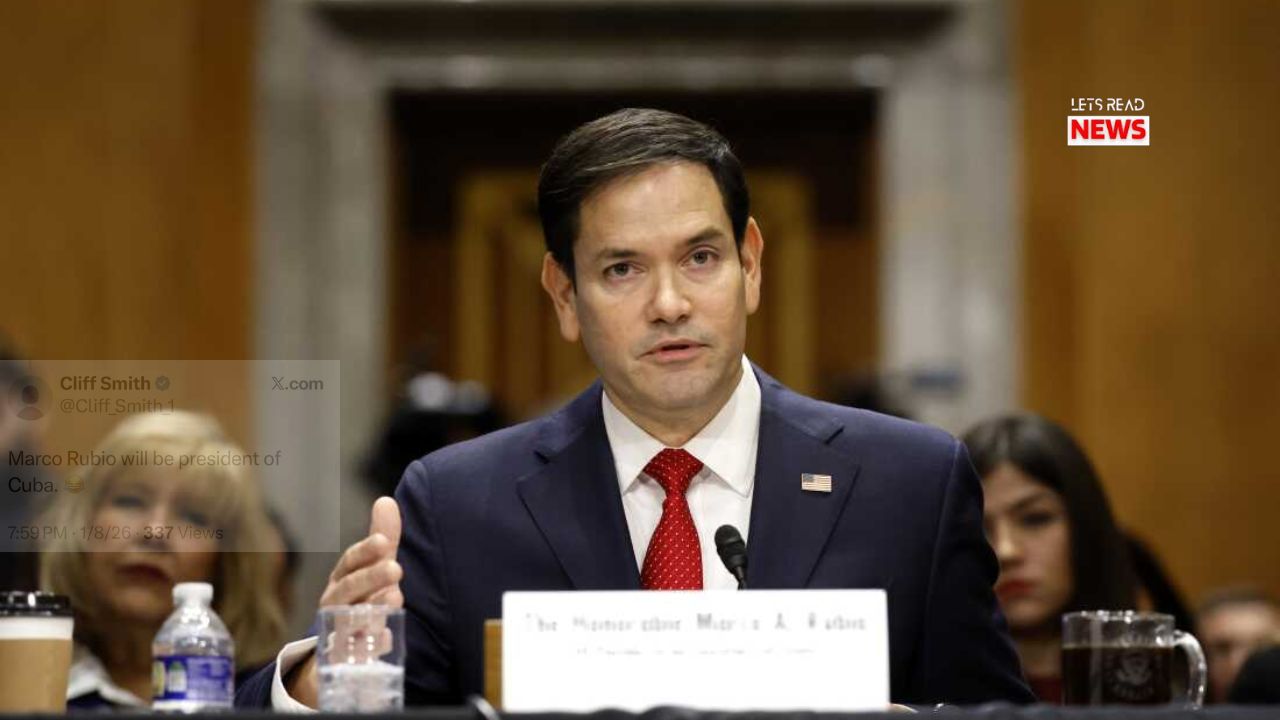
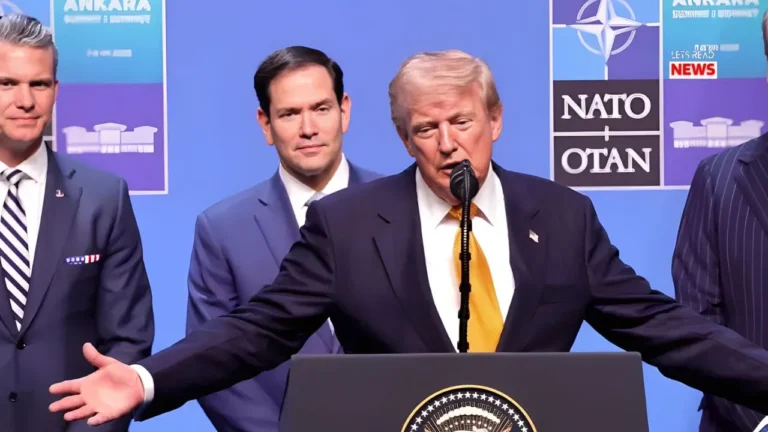
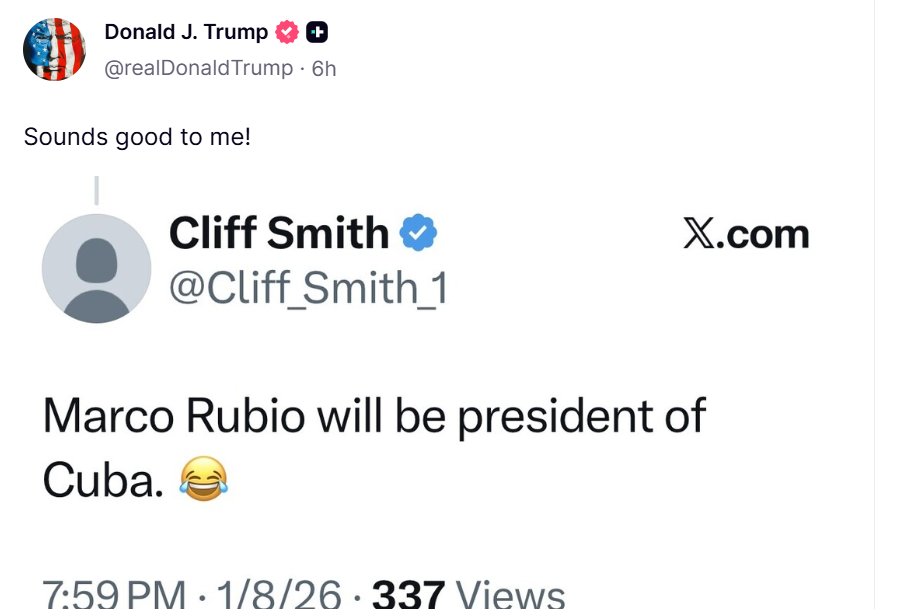
In a bold and eyebrow-raising move, President Donald Trump has amplified speculation about Secretary of State Marco Rubio potentially leading Cuba, reposting a social media message on Truth Social with his own enthusiastic comment: “Sounds good to me!”
The original post, shared on January 8 by an obscure user, simply declared “Marco Rubio will be president of Cuba” alongside a laughing emoji. Trump’s repost on January 11 came amid escalating U.S. pressure on Havana, following the dramatic U.S. military capture of Venezuelan President Nicolás Maduro on January 3.
This development ties directly into the fallout from Operation Absolute Resolve, the U.S. special forces raid in Caracas that seized Maduro and his wife, Cilia Flores, transporting them to face drug-trafficking and narco-terrorism charges in New York. The operation, which involved precision strikes and resulted in reported casualties on the Venezuelan and allied Cuban side (including dozens of Cuban security personnel killed while protecting Maduro), has severed a critical lifeline for Cuba.
For decades, Cuba has depended on subsidized Venezuelan oil—once up to 100,000 barrels per day under Hugo Chávez’s agreements, recently reduced to around 30,000—in exchange for Cuban medical and security support. With Maduro removed and the U.S. now asserting control over Venezuelan oil resources, Trump declared emphatically: “THERE WILL BE NO MORE OIL OR MONEY GOING TO CUBA – ZERO!” He urged Cuban leaders to “make a deal” before it’s too late, warning of severe consequences.
Secretary of State Marco Rubio, whose parents fled Cuba as immigrants, has long viewed the weakening of Venezuela as key to undermining Cuba’s communist regime. As the administration’s lead on Latin America policy, Rubio has outlined plans for Venezuela’s stabilization and recovery while signaling that Cuba is “in a lot of trouble.” In a recent interview, he noted that if he were part of the Cuban government in Havana, he “would be worried.”
Cuba’s economy, already reeling from over 4% contraction and hyperinflation, now faces what analysts call an existential crisis without Venezuelan support. The U.S. moves have intensified rhetoric about regime change, though no official policy proposes installing Rubio—or anyone—as Cuba’s leader.
Trump’s tongue-in-cheek endorsement has fueled online memes and commentary, blending humor with hardline diplomacy. While it remains provocative rhetoric rather than a concrete plan, it underscores the administration’s aggressive stance toward Havana in the wake of Maduro’s dramatic fall.
As tensions rise in the region, the question lingers: Is this the beginning of a broader U.S. push against Cuba, or simply bold posturing?